Tonkotsu is a special ramen, with a unique creamy, opaque broth that fascinates food lovers worldwide.
But why is it a must-try for any ramen enthusiast? Let’s explore what exactly makes tonkotsu ramen so special.
Main Types of Ramen Seasoning (Tare)
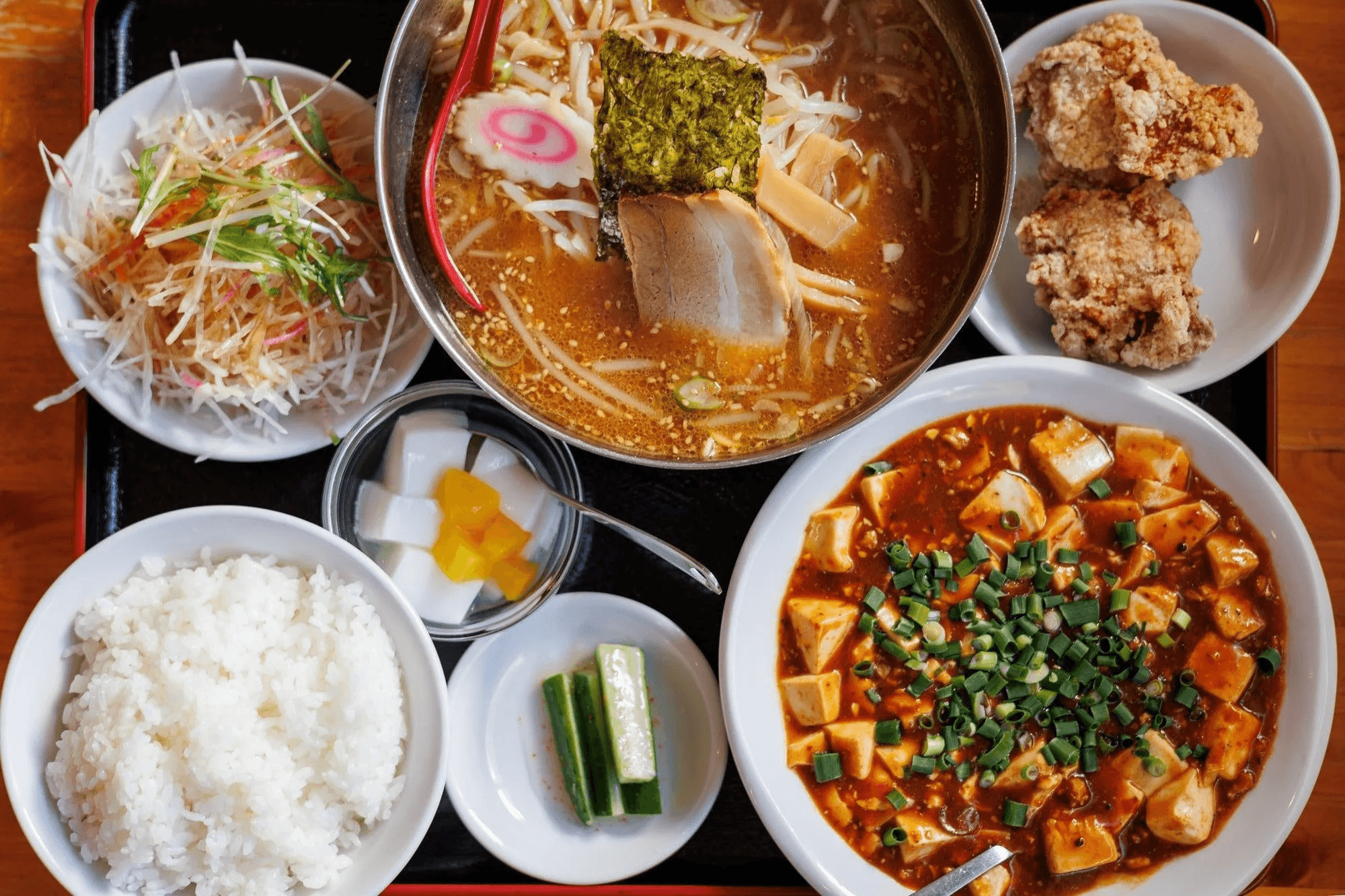
Before delving into the world of tonkotsu ramen, let’s discuss the main types of ramen. Ramen can be categorized based on tare, the type of seasoning base that flavors the broth. Tare defines the soup’s character.
While many ramen dishes use chintan (clear) broths (which are lighter and more transparent), there are also paitan (opaque) broths, like the creamy tonkotsu.
The three main types of tare can be used to season either kind:
Miso Ramen (味噌ラーメン)
Ramen is seasoned with miso paste, which is made from fermented soybeans. It is nutty, rich, and deeply umami. It adds a robust flavor to the broth, making it ideal for cold weather or when you’re craving something filling. The fermentation process gives miso a savory depth that can transform a simple broth into something complex.
Miso is often paired with hearty broths like pork or chicken, and it’s common to find additional ingredients like butter, corn, or ground pork.
Shio Ramen (塩ラーメン)
Ramen is seasoned with shio, which simply means salt. Shio ramen allows the natural flavors of the broth to shine through, as the salt enhances without overpowering. This type of ramen is perfect for those who prefer a lighter, more subtle taste, where the focus is on the quality of the broth itself.
Shoyu Ramen (醤油ラーメン)
Ramen is seasoned with shoyu, which is Japanese soy sauce. Its flavor profile is salty, savory, with a rich umami depth. Shoyu imparts a slightly tangy, caramel-like complexity to the broth. It’s the most common type of ramen seasoning in Japan.
What is Tonkotsu Ramen? The Art of the Broth
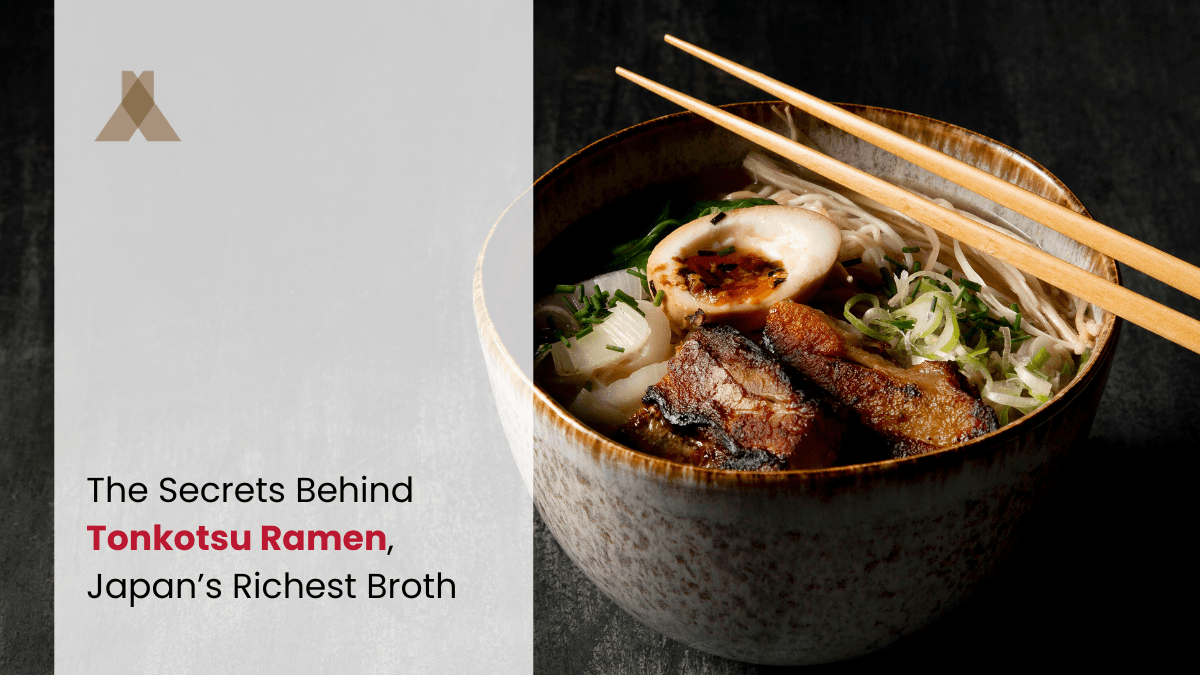
Tonkotsu ramen (豚骨ラーメン) is a style of ramen that originated in Fukuoka, Japan, on the southern island of Kyushu. The word “tonkotsu” (豚骨 orとんこつ) means “pork bones” and refers to its pork bone broth (the heart and soul of this ramen variety).
The secret to tonkotsu’s signature richness lies in how the broth is prepared. Pork bones (typically, a mix of femur bones and trotters) are boiled at high heat for around 18 hours (sometimes even longer) until they break down and release their marrow, collagen, and fat into the broth. Thus, we obtain the milky white, thick consistency that sets tonkotsu apart from other ramen broths.
How Tare Works in Tonkotsu Ramen
As we mentioned before, the broth is seasoned with a tare sauce, which can vary, but is often soy sauce or miso-based to add complexity.
Building the Perfect Bowl of Tonkotsu Ramen
Undoubtedly, the broth is the star of the show. However, there are other components that are also important to preparing this mouthwatering ramen variety:
Noodles
Tonkotsu ramen typically features firm noodles that hold up well against the rich broth. The noodles are cooked to an al dente texture.
Chashu Pork
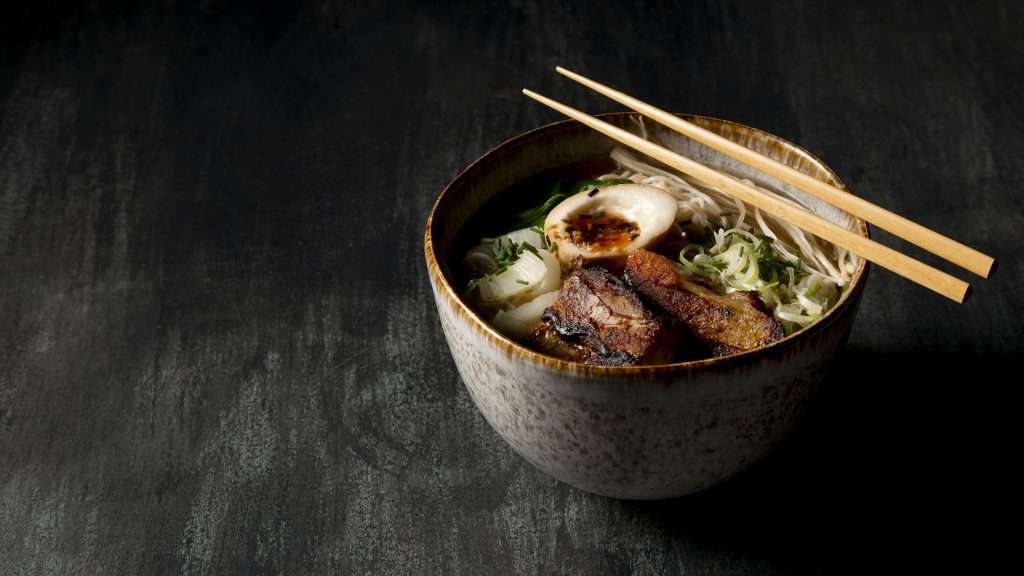
Tender slices of braised pork belly (known as “chashu”) are a classic topping. The pork is marinated in a mixture of soy sauce, mirin, and sake before being slow-cooked to perfection.
Ajitsuke Tamago (Marinated Egg)
A soft-boiled egg with a creamy yolk, often marinated in soy sauce, is a must-have topping. The egg’s rich, custardy center complements the creaminess of the broth.
Toppings
Other traditional toppings include chopped green onions, sesame seeds, pickled ginger, wood ear mushrooms, and a drizzle of aromatic garlic oil (mayu) for an extra layer of umami.
Tips for Making Tonkotsu Ramen at Home
If you’d like to try making tonkotsu ramen at home, take these tips into account:
- Bear in mind that achieving the signature creamy texture takes time—the bones need to be boiled for hours to break down the collagen, so don’t rush the process if you want that silky broth.
- During the boiling process, impurities and scum will rise to the top. Skim these off to make sure the broth is cleaner and more flavorful.
- While dried noodles can work, fresh ramen noodles make all the difference. Their texture and chewiness definitely elevate the dish to another level.
- Don’t be afraid to get creative with your toppings. While traditional toppings are always delicious, adding a touch of chili oil, fresh corn, or even a sprinkle of seaweed can enhance the flavors.
Why You Should Try Tonkotsu Ramen
Tonkotsu ramen is an experience. If you are new to ramen, you’ll discover a mouthwatering dish. Still, if you have enjoyed other ramen types, you’ll find tonkotsu ramen unique.
At Mikata, we offer delicious tonkotsu ramen made using traditional Japanese techniques. We invite you to stop by and relish this incredible dish.